




Holidays buck trend as consumer confidence sees biggest drop since 2022


Holidays were the only leisure sector to see spending increase during the first quarter of 2026, according to the latest Deloitte Consumer Tracker.
The professional services firm noted how consumers were tightening their belts with “conscious cutting back on non-essentials” but said: “Long holidays (up 3.2 percentage points) and short holidays (up 2 percentage points) were the only two leisure categories that showed a meaningful increase in consumer spending in Q1.”
Overall, consumer confidence declined by three percentage points during the first three months of this year to reach its lowest level since Q3 2023, according to the tracker.
The fall in confidence, based on responses from 3,200 UK consumers, was also the biggest quarterly drop since Q1 2022.
Overall confidence was also down 6.3 percentage points year-on-year.
Five of the six index measures fell this quarter, most significantly in sentiment towards levels of household disposable income – down 7.2 percentage points from Q4 2025 and 9.5 percentage points year-on-year.
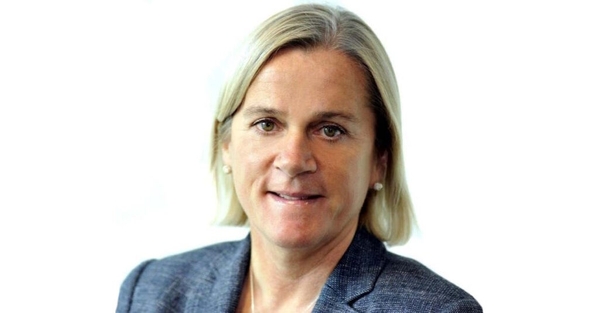
Céline Fenech, consumer insight lead at Deloitte UK, said: “The impact of recent geopolitical events on the price of energy will likely feel like another setback for consumers.
“Many were already facing a squeeze on their household budgets at the start of the year with the slowing of wage growth and a cooling jobs market.
“With the prospect of another increase in the price of essentials, consumer confidence continues to be tested and is trending downwards to levels last seen four years ago.
“For consumer sentiment and spending to improve, households will want to see a more certain outlook for the economy.”
Consumer spending on discretionary items fell by a “significant” 6.7 percentage points compared with the previous quarter to reach its lowest level since Q1 2023. This also marked a similar 6.6 percentage point decline year-on-year, in a sign that the drop off in spending is not just due to seasonality, added Deloitte.
This was driven by a fall in spending across all non-essential categories, such as clothing, footwear, alcoholic beverages and tobacco.
The year-on-year decline was also significant across bigger ticket items, especially for major household appliances (down four percentage points) and electrical equipment (down seven percentage points).
Nearly half of consumers (45%) are being more frugal with their overall spending, up from 39% the previous quarter.
Oliver Vernon-Harcourt, head of retail at Deloitte UK, said: “While there is typically a drop-off in spending in January after the busy festive shopping period, the fall seen in Q1 is more representative of a conscious cutting back on non-essentials by consumers.
“At the same time, essential spending remains high, with consumers allocating most of their budget to everyday items that are particularly vulnerable to inflation.
“Big ticket purchases remain on the back-burner, with fewer people planning to buy a car, a house or even a major appliance or piece of furniture compared to a year ago.
“These are all signs that consumers continue to wait for improved economic conditions before making major purchases. This means the long-awaited rebound in consumer spending might take more time.”
Related Content












More Content





Jacobs Media is a company registered in England and Wales, company number 08713328. 3rd Floor, 52 Grosvenor Gardens, London SW1W 0AU
© 2025 Jacobs Media
